
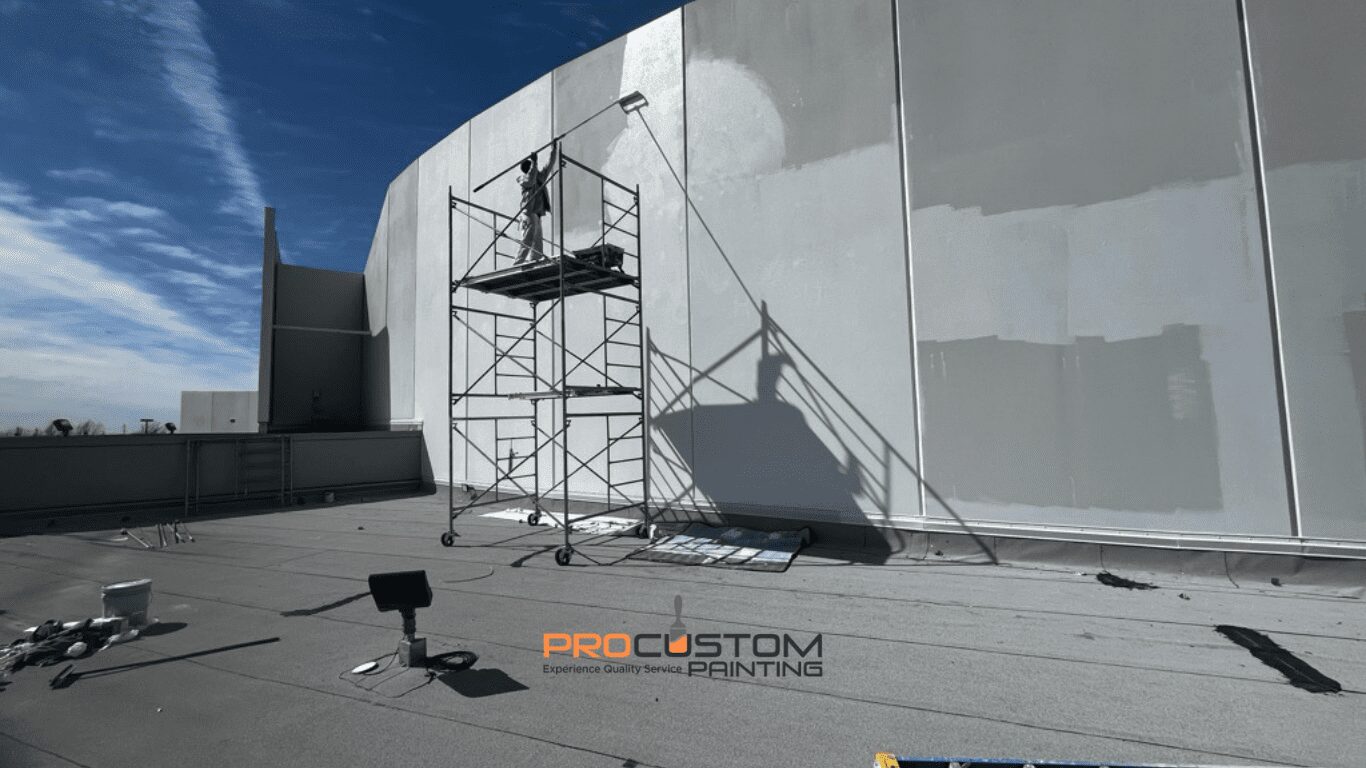
Applying a second coat of paint too early is one of the most common and costly painting mistakes a homeowner can make. Paint that is recoated too soon peels, streaks, and bubbles, turning a straightforward project into a repair job. Here is what the wait time actually is, why it matters, and how conditions in North Texas affect the numbers.
The Short Answer: Recoat Times by Paint Type
| Paint Type | Dry to Touch | Safe to Recoat | Full Cure |
|---|---|---|---|
| Latex (water-based) | 30 to 60 min | 2 to 4 hours (ideal); 4 to 6 hours (real world) | 14 to 30 days |
| Oil-based | 6 to 8 hours | 24 hours | 7 to 14 days |
| Standard primer | 30 minutes | 1 hour | N/A |
| Bonding or stain-blocking primer | 1 to 2 hours | 2 to 4 hours | N/A |
| Exterior latex | 1 to 2 hours | 4 to 12 hours depending on conditions | 30 days |
These are baseline figures for ideal conditions: around 70 degrees Fahrenheit and 50 percent relative humidity. Real-world conditions in a DFW home or on a North Texas exterior can push every one of those numbers significantly.
Dry Time, Recoat Time, and Cure Time Are Not the Same Thing
This is the distinction most people miss, and it causes most of the problems.
Dry to touch means the surface is no longer sticky when you press a finger lightly against it. The paint film has started to set. This does not mean it is ready for another coat.
Recoat time is when the first coat has hardened enough to hold a second coat without lifting, wrinkling, or trapping solvent underneath. Applying the next coat before this window closes is what causes peeling, bubbling, and alligator cracking that shows up days later, not immediately.
Full cure is when the paint has reached its maximum hardness and durability. Latex paint may feel solid and look finished within a few hours, but it does not reach full cure for 14 to 30 days. During that window, freshly painted surfaces should be treated carefully. Avoid scrubbing, leaning furniture against walls, or applying tape to newly painted trim.
The practical rule: paint can feel completely dry to the touch and still not be ready for a second coat. Always go by recoat time, not by how it feels.
Recoat Windows by Surface
The type of surface being painted affects how quickly the first coat dries and whether the second coat will bond properly.
Walls. Interior latex on standard drywall is ready to recoat in 2 to 4 hours under good conditions. In a sealed room with poor airflow or higher humidity, plan on 4 to 6 hours.
Ceilings. Ceiling paint dries to touch in 1 to 2 hours and can be recoated in 2 to 4 hours. Textured or popcorn ceilings trap moisture in the texture, which can push the safe recoat window to 8 hours or more.
Trim and baseboards. This is where most homeowners underestimate the wait. Trim is typically painted with a higher-sheen finish, and glossier sheens take longer to dry than flat or matte. With latex semi-gloss on trim, wait at least 4 hours. With oil-based products, which are still common on trim and doors for their durability, the minimum is 24 hours and there is no shortcut.
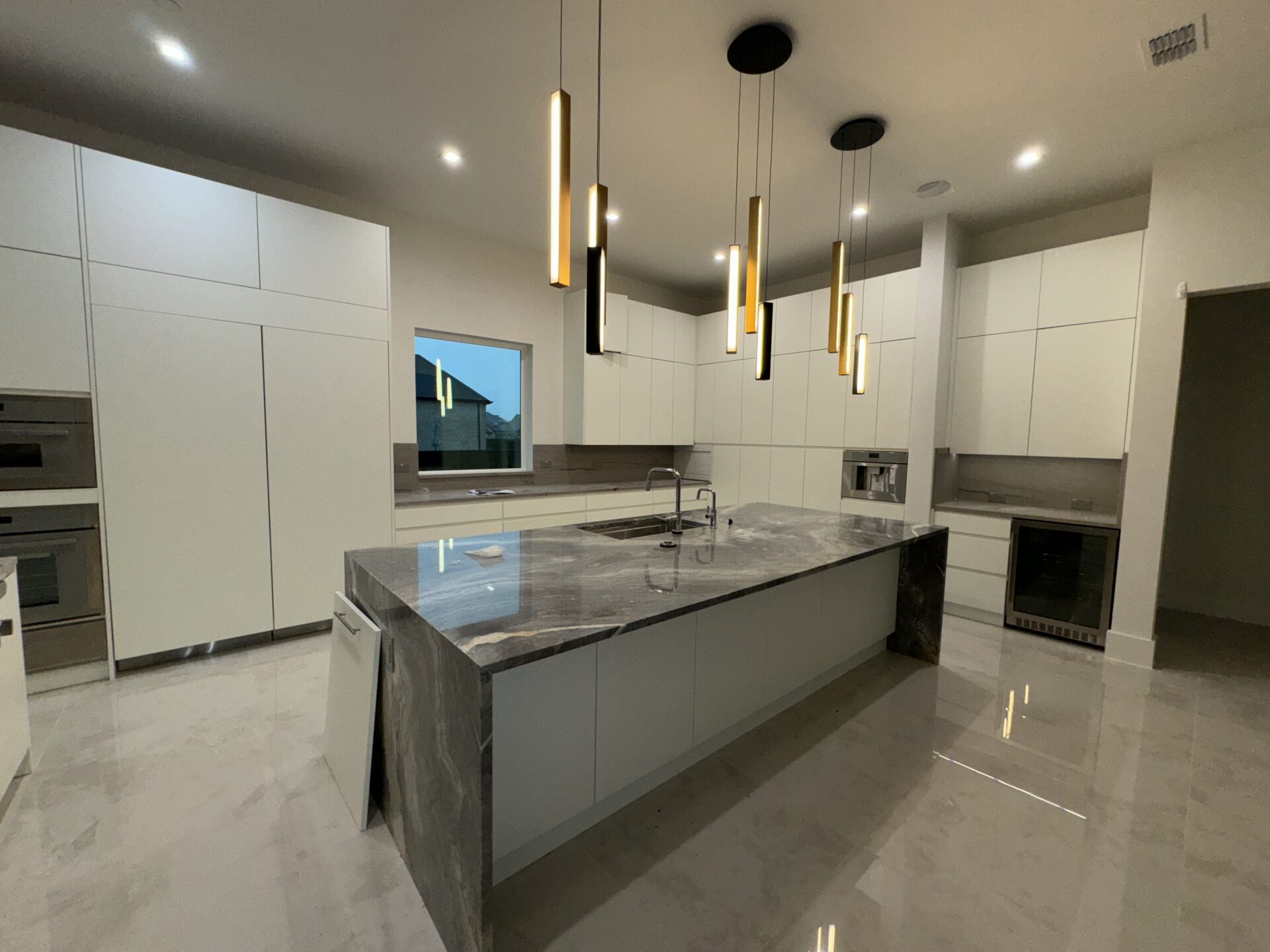
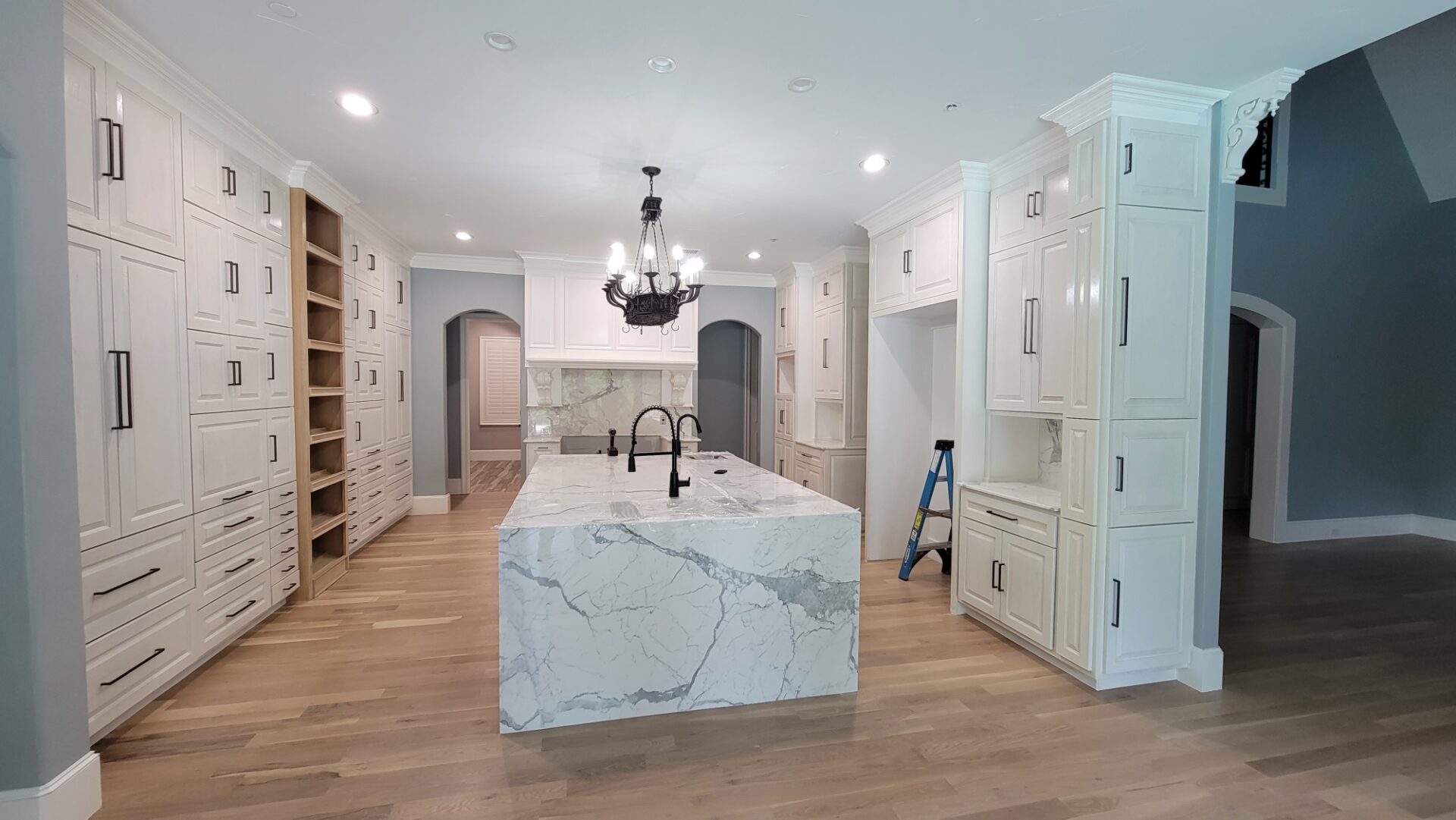
Cabinets. Professionally painted cabinets almost always use either oil-based or alkyd-hybrid products for a harder, more durable finish. These require 24 hours between coats at minimum. Rushing cabinet recoat time produces visible brush marks, uneven sheen, and a finish that chips and peels under daily use.
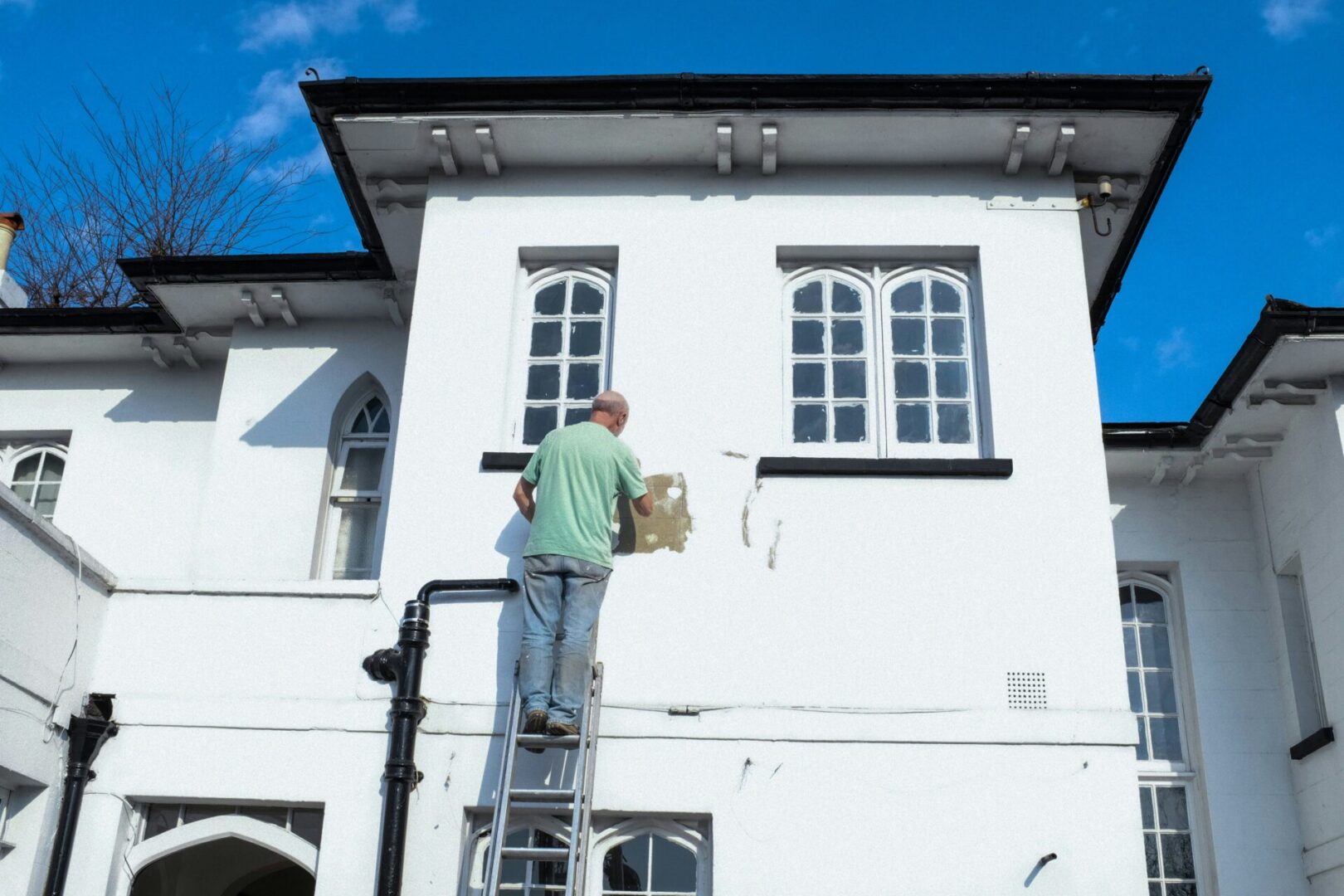
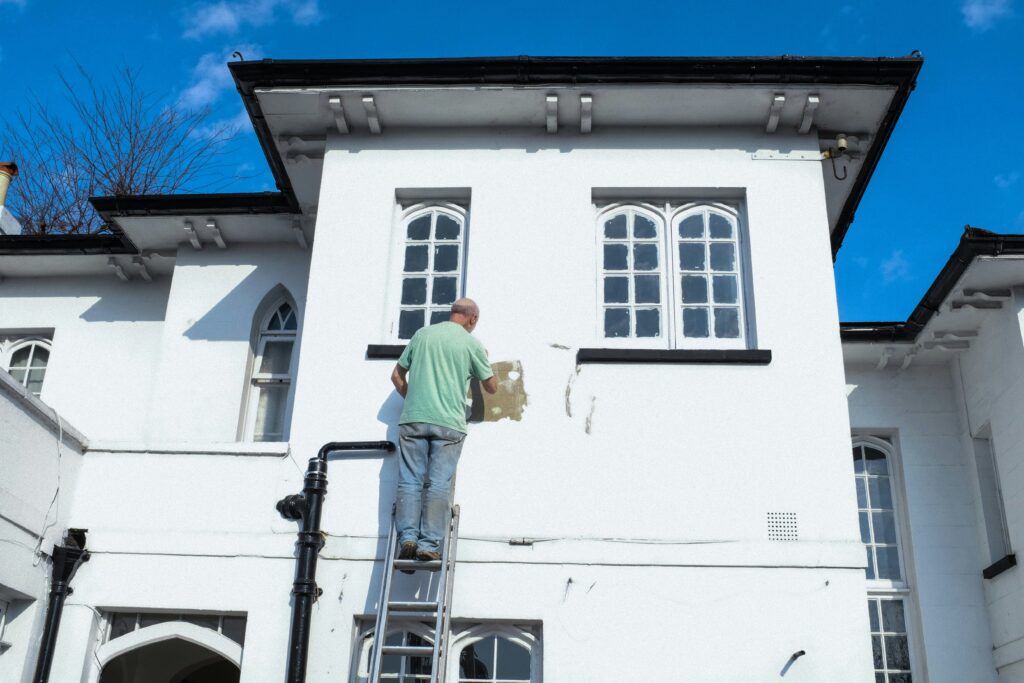
Exterior surfaces. Latex exterior paint is dry to touch in 1 to 2 hours, but the recoat window under real conditions ranges from 4 to 12 hours depending on weather. Masonry and brick surfaces need 4 hours before recoating.
What Happens When You Recoat Too Soon
The consequences are not subtle and they are not reversible without stripping the paint down.
Recoating before the first coat is properly dry traps solvent underneath the surface. As that solvent tries to escape, you get: bubbling and blistering, where trapped moisture pushes through the top layer; peeling, where the second coat fails to bond to the first; alligator cracking on trim and cabinets where thicker products are used; and streaks where the roller disturbs the wet layer beneath.
None of these can be fixed by adding another coat on top. The surface needs to be sanded or stripped and restarted.
Factors That Shift Recoat Times
Temperature. Paint dries best between 50 and 85 degrees Fahrenheit. Below 50, drying slows dramatically. Above 85, the surface dries too fast while the layer underneath stays wet. This is a real issue on DFW exteriors in summer. High heat feels like it helps but increases the risk of failure.
Humidity. Ideal painting humidity is 40 to 50 percent. Above 85 percent, most manufacturers recommend stopping entirely. High humidity slows evaporation and extends every recoat window. North Texas spring humidity regularly pushes exterior recoat times well past what the label says.
Ventilation. Open windows and fans in interior spaces significantly reduce dry times. A sealed room with no airflow can add one to two hours to any recoat window.
Coat thickness. Thin, even coats dry faster and bond better than thick ones. Two thin coats consistently outperform one thick coat in both quality and durability.
Sheen. Flat and matte finishes dry faster than satin, semi-gloss, or gloss. The higher the sheen, the longer the recoat window.
Can You Do Two Coats in One Day?
Yes, with latex paint, under good conditions. The 2 to 4 hour recoat window for water-based latex fits comfortably within a normal workday. A professional crew working on a standard interior space can complete two quality coats of latex paint in a single day with proper timing.
With oil-based paint, the answer is no. A 24 hour recoat requirement means any room, trim run, or cabinet set painted with oil-based products is a two-day minimum. That timeline is not negotiable regardless of how warm or dry the conditions are.
What This Means for DFW Homeowners
In North Texas, the biggest risks to recoat timing are summer heat on exterior projects and high spring humidity. Both push conditions outside the ideal range for paint application and drying. Professional painters in DFW plan exterior projects with these conditions in mind, adjusting start times, product selection, and coat scheduling accordingly.
If you are hiring a painting company in the Dallas Fort Worth area, ask how they manage recoat timing on exterior projects during summer. A clear, specific answer is a sign of an experienced crew. A vague one is not.
Pro Custom Painting serves Dallas, Fort Worth, Arlington, Grand Prairie, Irving, Plano, Bedford, Hurst, Colleyville, Keller, Southlake, and the broader DFW metro. Every project includes a clear schedule with coat and recoat timing built in from the start.
Call 469-237-0783 or visit our website to get your free estimate.
Pro Custom Painting · Licensed · Insured · Family-Owned · Serving Dallas Fort Worth Since 2013