
Whether you plan to sell next spring or stay put for another ten years, the money you put into your home should work for you. Interior painting is one of the few projects that does both jobs: it makes the house better to live in right away, and it protects your home’s value over time. But not every interior painting project delivers the same return. Here is where your budget goes the furthest.
Why Interior Painting Consistently Ranks Near the Top
Interior painting gets recommended so often because the math is hard to beat. Angi puts the average return on an interior repaint at around 107%, which means a project costing a few thousand dollars can return more than it cost at resale. The National Association of Realtors also reports that painting the entire home, or at least one room, is the remodeling project agents most often recommend before listing. A Better Homes and Gardens Real Estate poll found that three out of four agents say repainting the interior can add the most value before a sale.
There is a benefit for homeowners who are not selling, too. In a NAR survey, painting a home’s interior earned a “joy score” of 10 out of 10, meaning people simply enjoy being at home more afterward. A return you feel every day counts even if it never shows up on a closing statement.
What Interior Painting Costs
ROI only means something next to the price tag. Nationally, interior painting runs from about $917 for one room to roughly $4,893 for eight rooms, according to Thumbtack’s estimates, and professional full-home projects commonly land between $2 and $6 per square foot depending on condition and size. DFW pricing varies with ceiling heights, wall repairs, and how much prep your home needs, so treat these as ballparks and get a written estimate.
1. A Whole-Home Repaint in a Cohesive Neutral Palette
If you only do one thing, this is it. A consistent, neutral palette carried through the main living areas makes a home feel larger, cleaner, and more current. It also photographs well, which matters because most buyers meet your house online first.
This is especially useful in the DFW area, where many homes were built with builder-grade paint in the same flat beige or a patchwork of colors added by previous owners. A fresh, cohesive palette erases that dated look in a way a single accent wall never will.
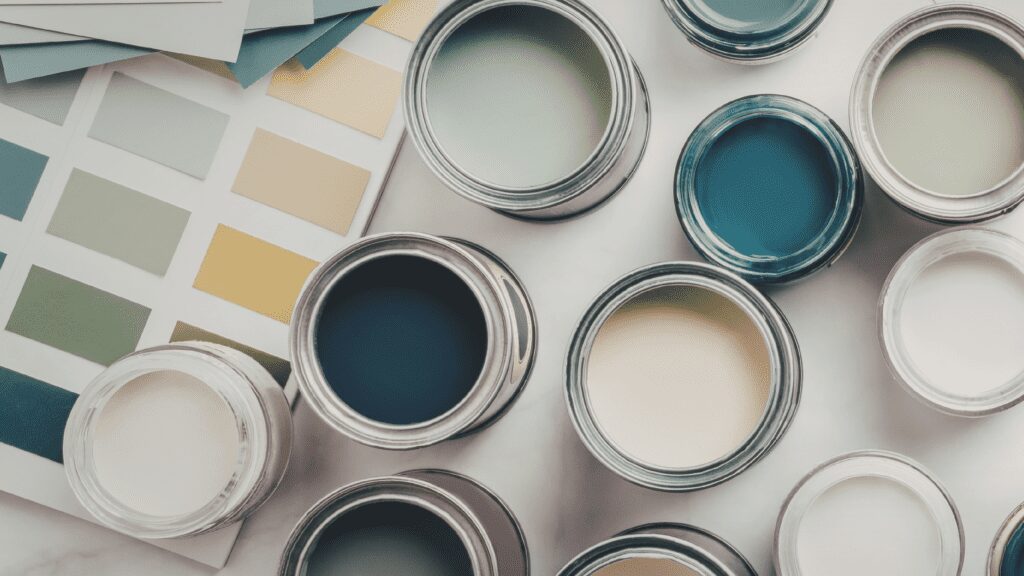
Color choice has real money attached to it. Zillow’s 2026 paint color analysis found that the right color can add more than $2,000 to a buyer’s offer, while a bold or polarizing choice, particularly in a bathroom, can cost thousands. If you are unsure, a professional color consultation is a cheap way to avoid an expensive mistake.
2. High-Traffic Rooms First: Living Areas, Entryway, and Kitchen
If your budget does not stretch to the whole house, prioritize the spaces people see first and use most. The entryway sets the tone the moment someone walks in. The main living area and kitchen are where buyers spend the most time during a showing and where you spend most of your own day.
Scuffs, fingerprints, and faded spots show up fastest in these rooms. Fixing them first gives you the biggest visible improvement per dollar.
3. Cabinet Painting and Refinishing
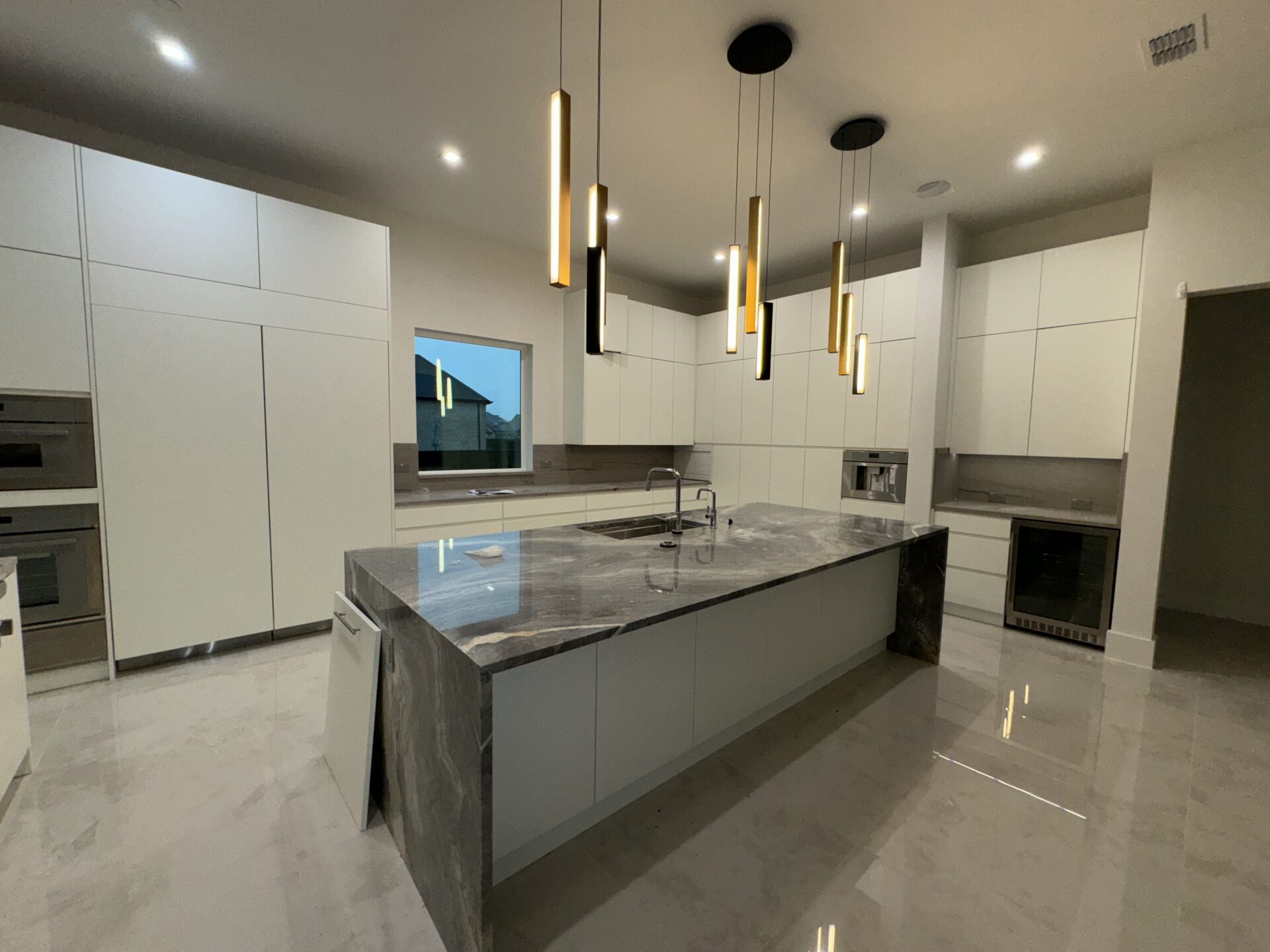
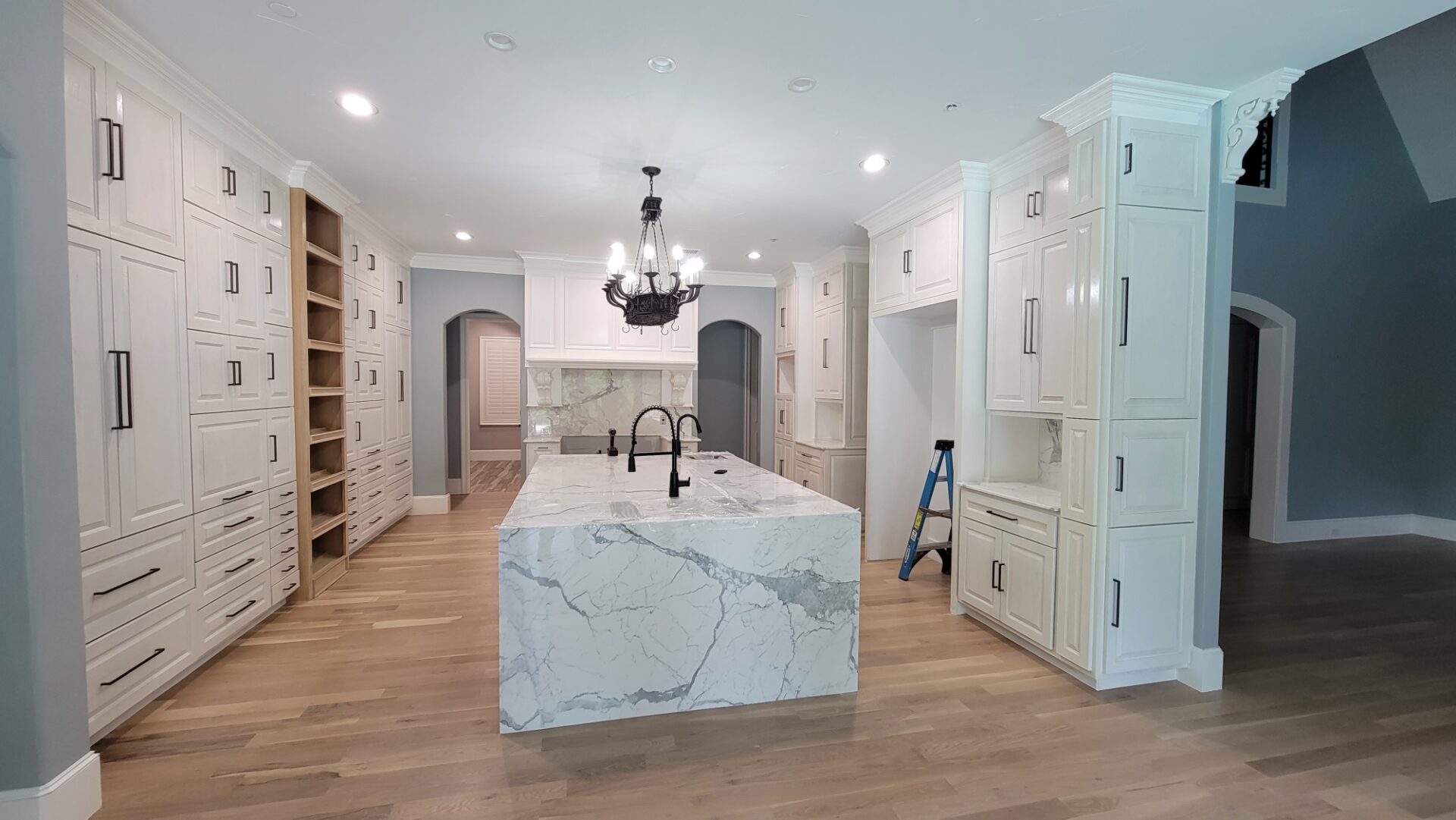
An outdated kitchen is one of the biggest objections buyers raise, and a full kitchen remodel rarely pays for itself dollar for dollar. Repainting or refinishing existing cabinets is a far cheaper way to change how the whole room feels. Remodeling experts quoted by AARP have noted a trend of homeowners painting cabinets and updating hardware to keep costs down while still modernizing the space.
The key is prep and the right product. Cabinets take constant handling, so a durable finish applied over properly cleaned and sanded surfaces matters more than the color itself. This is not a project where cutting corners pays off.
4. Trim, Doors, and Ceilings
These are the details that make a repaint look finished instead of merely fresh. Crisp white trim against clean wall color, doors that are no longer scuffed at the handles, and ceilings free of stains all signal that a home has been maintained.
Because these surfaces are small compared to walls, the cost is modest. The visual payoff is out of proportion to the price, and skipping them is one of the most common ways a repaint ends up looking half done.
5. Bathrooms
Bathrooms are small, so they are inexpensive to paint, and buyers pay close attention to them.
Moisture is the real concern here. Bathrooms need paint formulated to handle humidity, along with good prep, or you end up with peeling and mildew within a year or two. Color matters too, and this is the room where the Zillow research shows the biggest downside risk from a bold choice. Light, soft tones are the safest bet.
When Painting Won’t Add Much Value
It is worth being honest about the limits. The 107% figure is an average from remodeling cost-versus-value estimates, not a promise for your house. Some sources put the actual bump to a home’s sale price at a more modest 1 to 3% for interior painting, and the same source notes that painting is a poor investment in certain situations, such as when a home has bigger problems that buyers will price in anyway.
In practice, that means paint works best on a home that is structurally sound and simply looks tired. If you have water damage, failing systems, or major repairs pending, fix those first. Paint over an unresolved problem and you may lose both the money and the buyer’s trust.
What About Accent Walls and Bold Colors?
Bold color can look great in a home you plan to stay in for years, and there is nothing wrong with painting for your own taste. Just know that it is a lifestyle choice more than an investment. If a sale is anywhere on your horizon, keep the bold choices to rooms that are easy to repaint and stay neutral everywhere else.
Getting the Most From Your Budget
A few practical points apply no matter which project you choose:
- Prep is where the value lives. Patching, sanding, caulking, and priming determine how the finish looks and how long it lasts. A cheap bid often leaves this out.
- Check your HOA requirements. Many DFW communities have rules on exterior colors, and some extend to visible interior changes. It is worth confirming before you order paint.
- Match the project to your timeline. If you plan to list, finish the work a few weeks before photos so there is time to touch up anything that needs attention.
- Ask what is included. Furniture protection, repairs, cleanup, and number of coats should all be spelled out in writing.
Where to Start
The best return usually comes from a clear plan: a cohesive palette, the high-traffic rooms handled first, and the details like trim and ceilings done properly. If you are weighing options for your own home, our interior painting team can help you decide where your budget will have the most impact, whether that means a full repaint or a targeted refresh before listing. If you are also thinking about curb appeal, pairing the inside work with exterior painting gives buyers a consistent first impression from the street to the front door.
Ready to find out what makes sense for your home? Request your free estimate from Pro Custom Painting and we will walk you through the options.